
How Custom Glass Service Is Shaping the Future of Interior Spaces
Interior design continues to evolve as homeowners and businesses look for ways to create brighter, cleaner, and more flexible spaces. Glass has become an increasingly important material in that shift because it can define areas without making rooms feel closed off. From mirrors and partitions to shower enclosures and decorative panels, a professional custom glass service can help transform ordinary interiors into more functional and visually distinctive environments.
Demand for glass products also reflects broader growth across the industry. According to Grand View Research, the global glass manufacturing market was valued at USD 121.4 billion in 2024 and is projected to reach USD 167.5 billion by 2030, representing a compound annual growth rate of 5.6% from 2025 to 2030. As design preferences continue changing, custom glass is giving property owners more ways to combine openness, personalization, and practicality throughout interior spaces. Because glass can serve both decorative and structural purposes, it gives designers considerable flexibility when planning renovations or new interiors. Property owners can use it to introduce contemporary details without overwhelming existing architectural features.
Creating More Open Interior Environments
Expanding Visual Space
Glass can help rooms feel larger by allowing sightlines to continue from one area into another. Solid walls and bulky barriers can make interiors feel segmented, while transparent surfaces create a stronger sense of openness. A custom glass service can provide tailored installations that preserve separation where needed without sacrificing visual continuity. This effect can be especially useful in compact interiors where every design decision influences how spacious the room appears.
Increasing Natural Light
Interior glass can help natural light travel farther through a home or commercial setting. Partitions, doors, and other glass features may allow sunlight from windows to reach adjacent areas that would otherwise feel darker. This can make interiors feel brighter and more welcoming throughout the day. Greater light distribution may also reduce the visual contrast between rooms, allowing connected spaces to feel more cohesive.
Reducing Visual Clutter
Glass has a relatively light visual presence compared with many opaque building materials. Frameless or minimally framed installations can reduce the sense of heaviness in rooms where other surfaces, furnishings, or architectural details already compete for attention. This quality allows statement furniture, artwork, flooring, and other design features to remain visually prominent.
Connecting Adjacent Areas
Open-concept design does not always require eliminating every division between spaces. Glass can create physical boundaries while maintaining a visual connection between nearby rooms. This approach can be useful in offices, bathrooms, dining areas, and other locations where separation and openness are both desirable.
Creating More Personalized Design Features
Matching Specific Dimensions
Every interior has different proportions, architectural details, and design limitations. Standard glass products may not fit unusual openings or highly specific layouts. Custom fabrication allows glass to be created for exact dimensions, helping the finished feature feel intentional rather than adapted from a generic product. Precise sizing can also help installations follow existing architectural lines more naturally, creating a cleaner finished appearance.
Matching Distinctive Shapes
Curves, angles, sloped ceilings, and irregular wall configurations can make standard installations difficult. A custom glass service can accommodate these conditions with pieces designed around the structure of the room. This gives designers and property owners greater flexibility when planning distinctive interior features.
Matching Preferred Finishes
Clear glass is only one option. Depending on the application, homeowners may prefer frosted, textured, tinted, patterned, or other specialty finishes. These choices can influence privacy, light transmission, and appearance while helping the glass complement the surrounding interior style. Selecting a finish also provides another opportunity to establish contrast, soften a room, or reinforce an existing design theme.
Matching Interior Details
Hardware, framing, and nearby finishes can affect how glass fits into the broader design. Custom installations can be coordinated with cabinetry, fixtures, tile, metals, and architectural elements. That attention to detail helps the final feature appear integrated into the room rather than added as an afterthought.
Creating More Functional Room Divisions
Separating Spaces Without Closing Them Off
Glass partitions can define work areas, meeting rooms, bathrooms, or other interior zones without completely blocking views and light. This makes them useful in spaces where property owners want clearer organization but still prefer an open atmosphere. A custom glass service can tailor these divisions to the dimensions and function of the room.
Supporting Flexible Office Design
Commercial interiors increasingly balance collaboration with the need for dedicated work areas. Glass walls and doors can establish enclosed offices or meeting spaces while maintaining visual connection across the workplace. This can support a modern appearance without creating a maze of opaque partitions. Transparent divisions can also help shared workplaces maintain a sense of connection even when individual teams need designated areas.
Supporting Bathroom Privacy
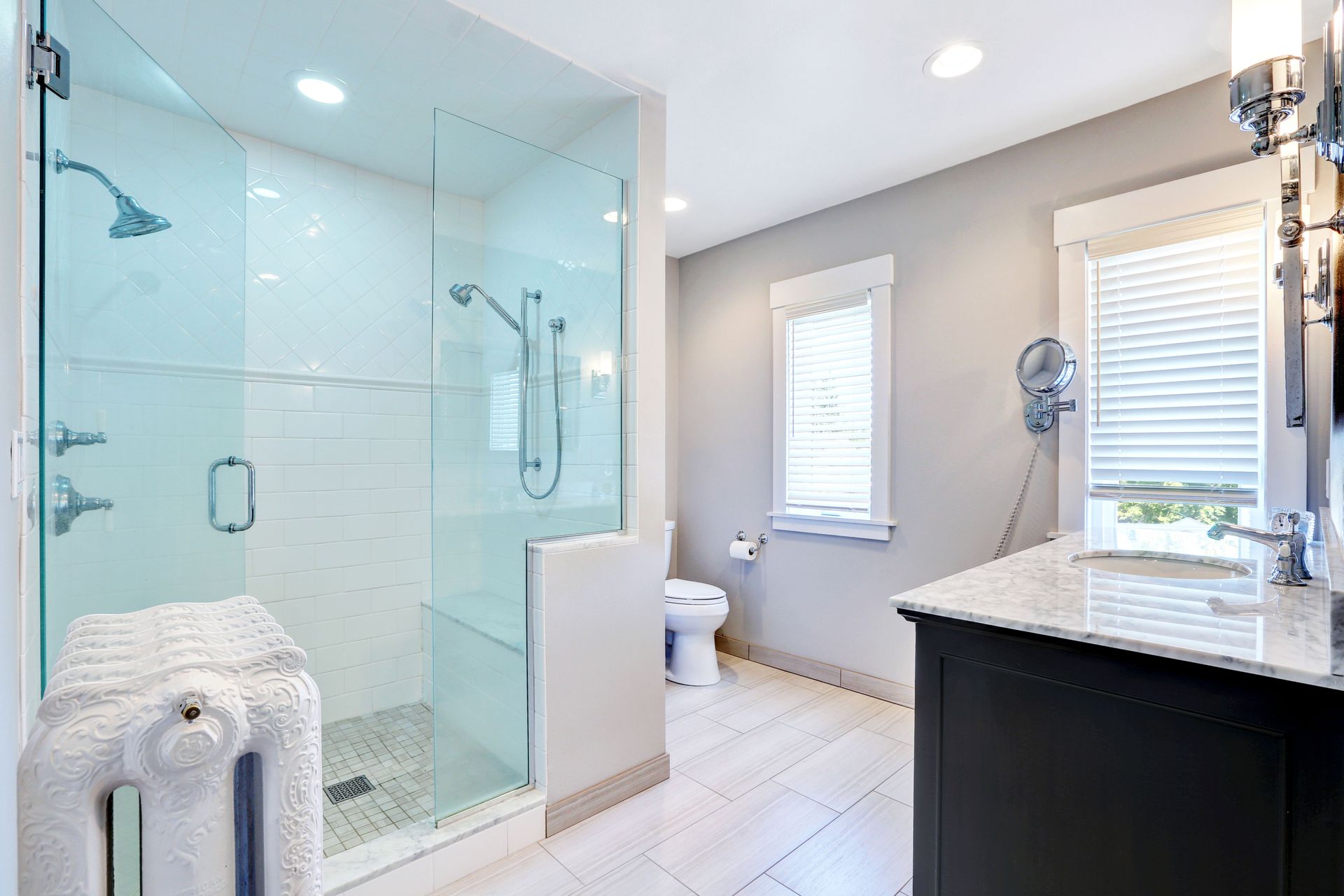
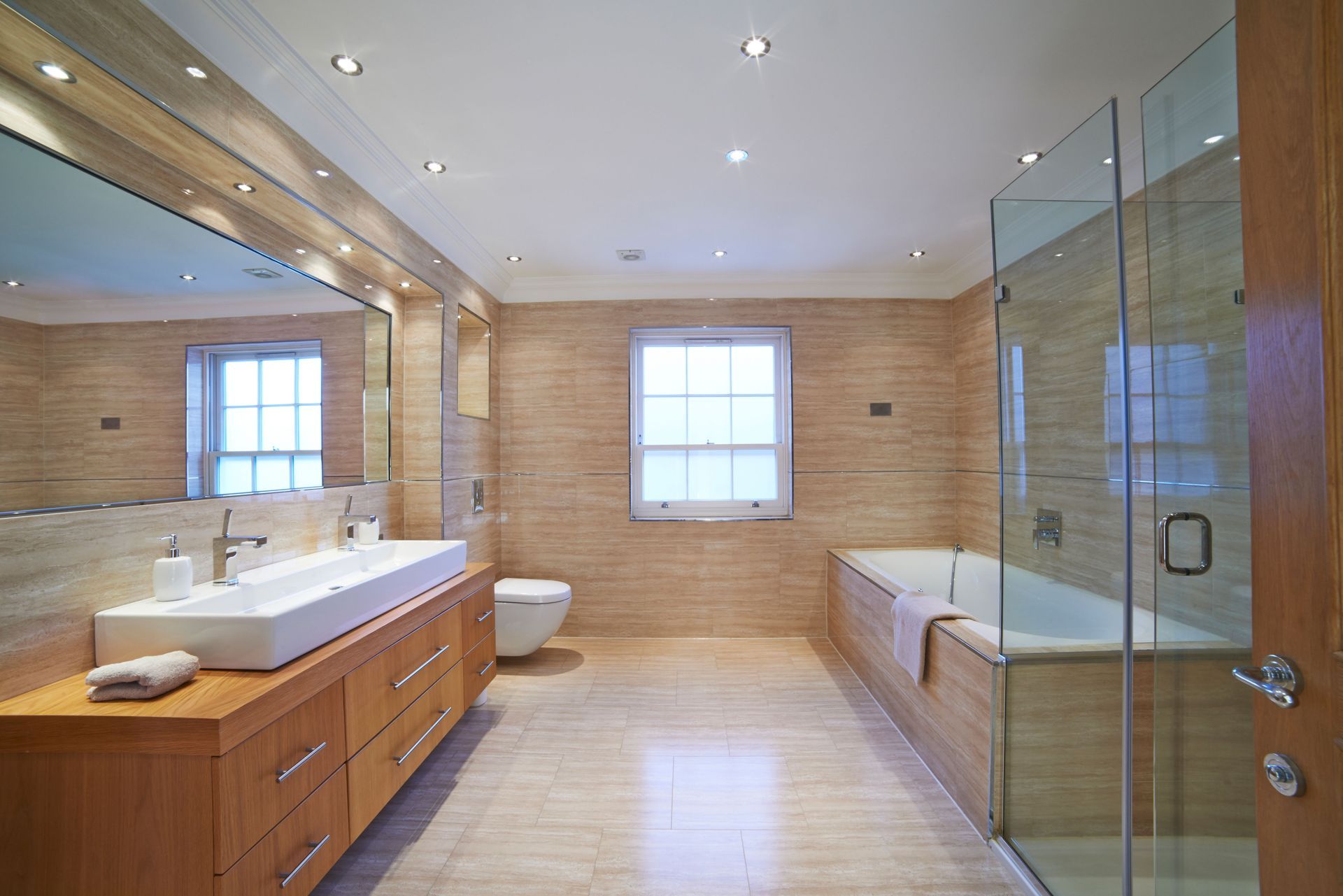
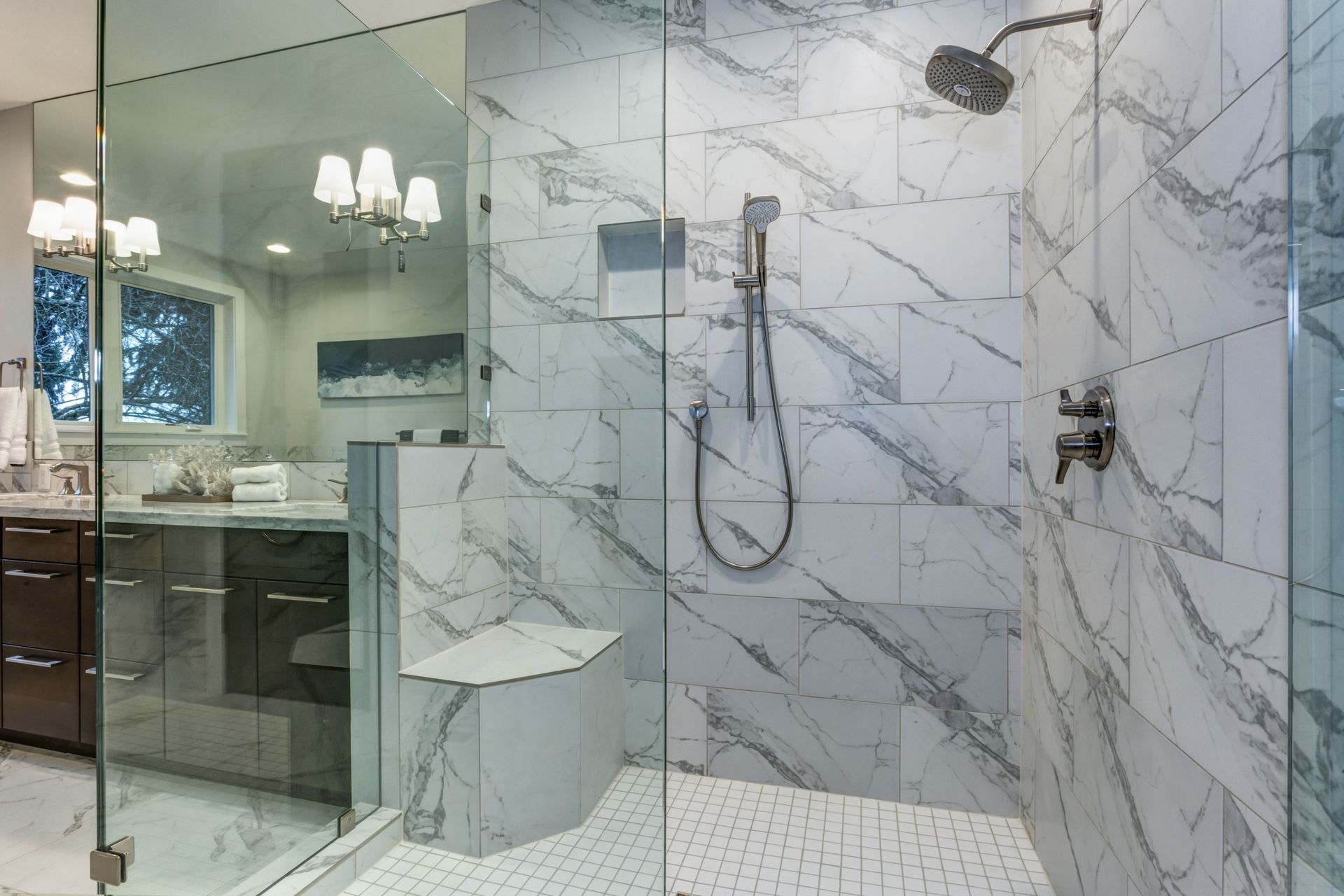
Bathrooms often benefit from glass that separates wet and dry areas without making the room feel smaller. Shower enclosures, partitions, and privacy glass can help define functional zones while preserving light and openness. Different finishes can also provide varying levels of privacy based on the space.
Supporting Residential Layout Changes
Homeowners may use interior glass to redefine existing spaces without introducing visually heavy walls. Glass can help separate a home office, create a distinct dining area, or add definition within larger rooms while keeping the overall layout feeling connected.
Creating More Distinctive Decorative Elements
Adding Custom Mirrors
Mirrors can influence both the appearance and perceived size of a room. Custom mirrors can be fabricated to complement vanities, walls, closets, fitness areas, and decorative installations. Their dimensions and placement can help reflect light while supporting a more polished interior design. Large-scale mirrors can also create dramatic visual depth, particularly in entryways, bedrooms, and other spaces with limited natural light.
Adding Glass Shelving
Glass shelving can provide functional display space while maintaining a lighter visual profile than many traditional materials. It can work especially well in bathrooms, kitchens, retail interiors, offices, or living areas where property owners want storage or display surfaces that do not dominate the room.
Adding Decorative Panels
A custom glass service can also create panels that serve primarily as design features. Textured, etched, frosted, or colored glass can introduce visual interest without relying on conventional wall finishes. These elements can become focal points while still coordinating with the rest of the interior.
Adding Modern Accents
Glass can complement many design styles, from minimalist and contemporary interiors to transitional or traditional spaces. The final appearance depends on shape, finish, framing, and placement. Customized options make it possible to use glass as either a subtle background element or a prominent architectural feature.
Creating More Future-Ready Interior Spaces
Adapting to Changing Design Preferences
Interior trends continue to shift toward flexible, light-filled spaces with cleaner lines and fewer visual barriers. A custom glass service can support these preferences by creating installations that make rooms feel more adaptable without requiring every space to be completely open.
Adapting to Different Property Types
Custom glass can work in homes, offices, retail spaces, hospitality environments, and other properties. Because fabrication can be tailored to specific dimensions and uses, glass solutions are not limited to one type of building or design style. This versatility allows designers to use similar materials in dramatically different ways depending on the purpose and character of each property.
Adapting to Evolving Space Needs
Property owners may need rooms to serve different purposes over time. A space that functions as an office today may later become a meeting area, studio, or private room. Thoughtfully designed glass features can help interiors remain flexible while maintaining a cohesive appearance.
Adapting to Modern Design Priorities
Contemporary interiors often emphasize natural light, visual simplicity, and personalized finishes. Custom glass supports these priorities by combining functionality with design flexibility. Whether used for partitions, mirrors, shower enclosures, or decorative features, glass can play a central role in shaping how future interiors look and feel.
Custom glass is becoming an increasingly versatile part of modern interior design because it can create openness, improve light flow, define functional areas, and introduce personalized architectural details. A carefully planned custom glass service can help property owners create interiors that feel brighter, more distinctive, and better suited to changing needs. For professional design and installation options tailored to your space, contact Mirage Glass & Mirror Inc today to discuss a custom glass service for your next interior project.
Share On: