
How Custom Glass Services Can Enhance Your Interior Design
Interior design is about more than selecting furniture, paint colors, and decorative accessories. The materials used throughout a space can influence how open, bright, modern, or functional it feels. Glass is one material that can serve both practical and decorative purposes in homes and commercial interiors. From mirrors and shower enclosures to partitions, tabletops, doors, and decorative features, carefully selected glass elements can complement a wide range of design styles. According to IBISWorld, the Glass & Glazing Contractors industry in the U.S. included 30,712 businesses and experienced a compound annual growth rate of 3.4% between 2020 and 2025, reflecting continued activity within the industry. The right design choices can allow glass to become a defining feature rather than simply a functional material. Here are several ways thoughtfully designed glass features can enhance an interior.
Creating a Brighter Interior
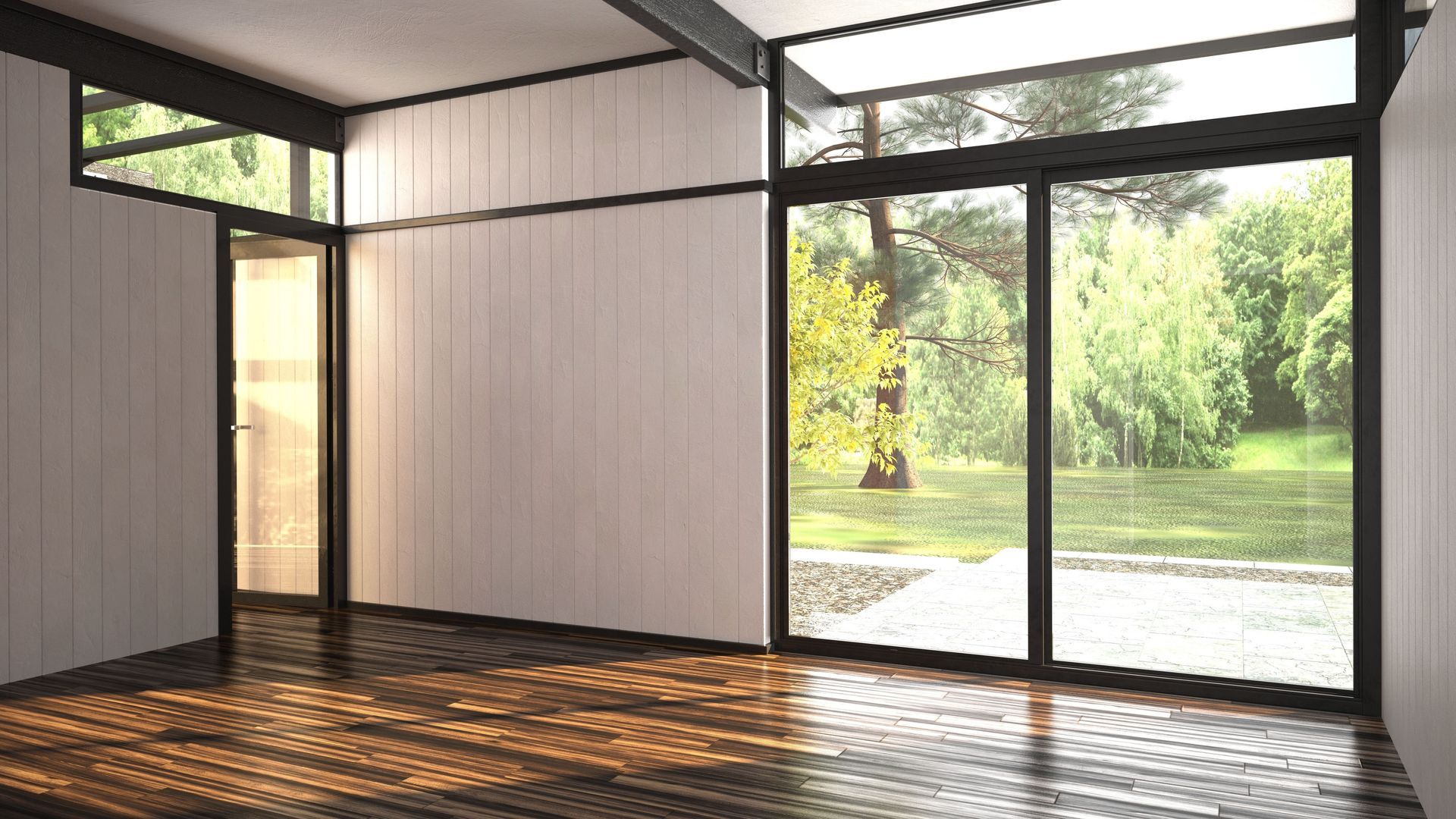
Natural and artificial light can significantly influence the atmosphere of a room. Unlike solid materials, glass allows light to move through a space instead of creating a complete visual barrier. This can make interiors feel brighter and more open, particularly in areas with limited access to natural light. Custom glass services can provide options designed around the dimensions and layout of a particular room. Glass doors, partitions, and other features may allow light to reach areas that would otherwise feel enclosed. Reflective surfaces such as mirrors can also help distribute light throughout the interior. The result can be a space that feels more welcoming without requiring major structural changes. Thoughtful placement is important because the size, finish, and surrounding materials can all affect the final appearance.
Opening Up Smaller Spaces
Smaller rooms can sometimes feel closed off when they contain too many solid walls or bulky design elements. Glass features can create separation between areas while maintaining a greater sense of visual connection. A partition, enclosure, or interior door made from glass can define individual spaces without completely blocking the view beyond it. This approach can be useful in homes, offices, and other interiors where openness is part of the design goal. With custom glass services, dimensions and configurations can be selected to suit the available space. The design may be tailored to work around existing walls, fixtures, or architectural details. Clear, textured, or decorative options can also provide different levels of privacy while maintaining a lighter appearance. By reducing visual barriers, glass can help a compact interior feel less confined.
Adding a More Modern Appearance
Glass is often associated with clean lines and contemporary design, but it can also complement traditional and transitional interiors. The appearance depends heavily on the surrounding materials, hardware, framing, and overall design. Frameless features can create a sleek and minimal look, while metal or wood accents can introduce additional character. A carefully designed glass element can become a focal point or blend quietly into the rest of the room. Homeowners and designers can select features that match the existing style rather than forcing the space into a completely new aesthetic. Custom sizing can also help the finished piece fit more naturally within the architecture. This flexibility allows glass to support a wide variety of interior design approaches. When selected carefully, it can add a refined visual detail without overwhelming the space.
Improving the Function of Bathrooms
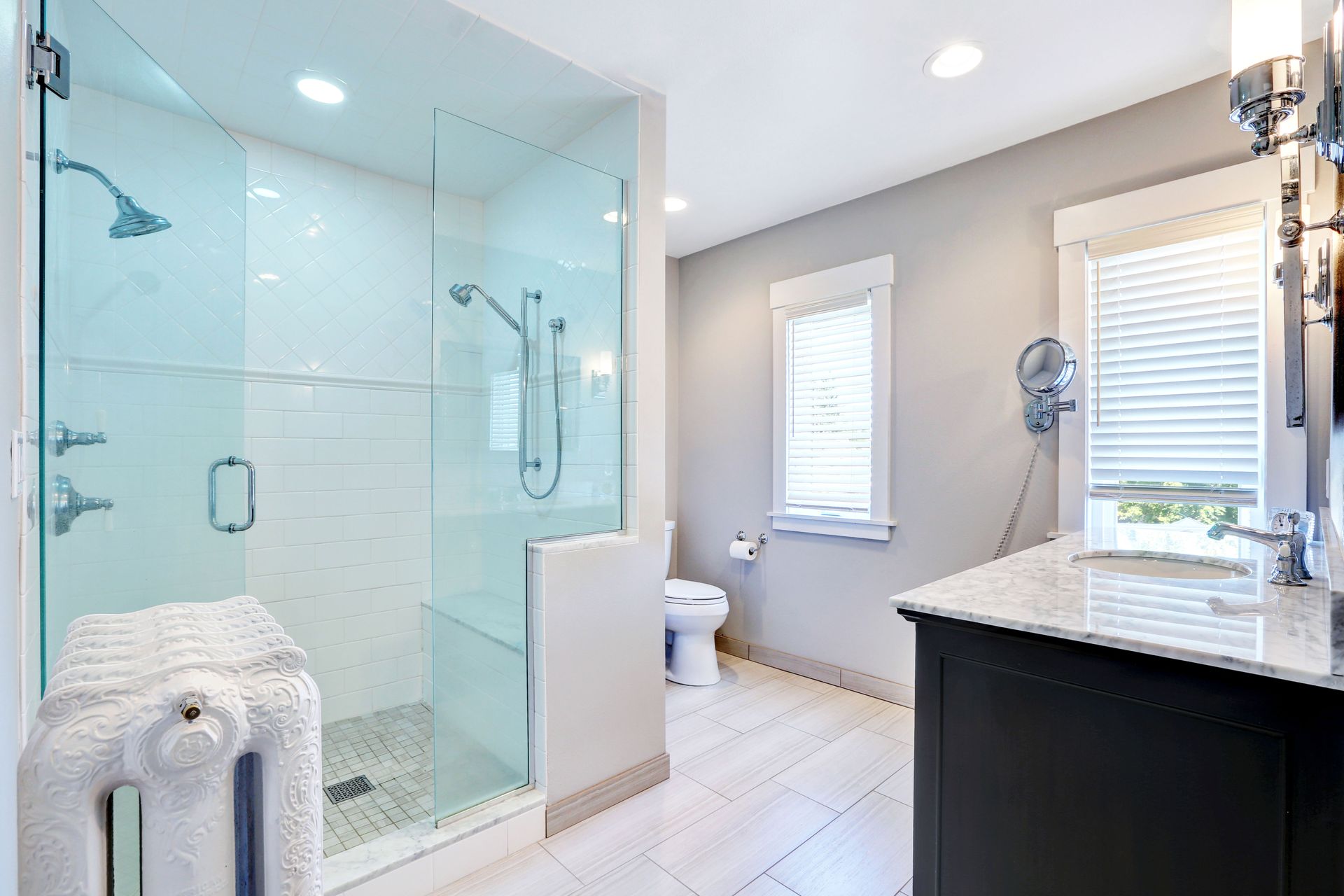
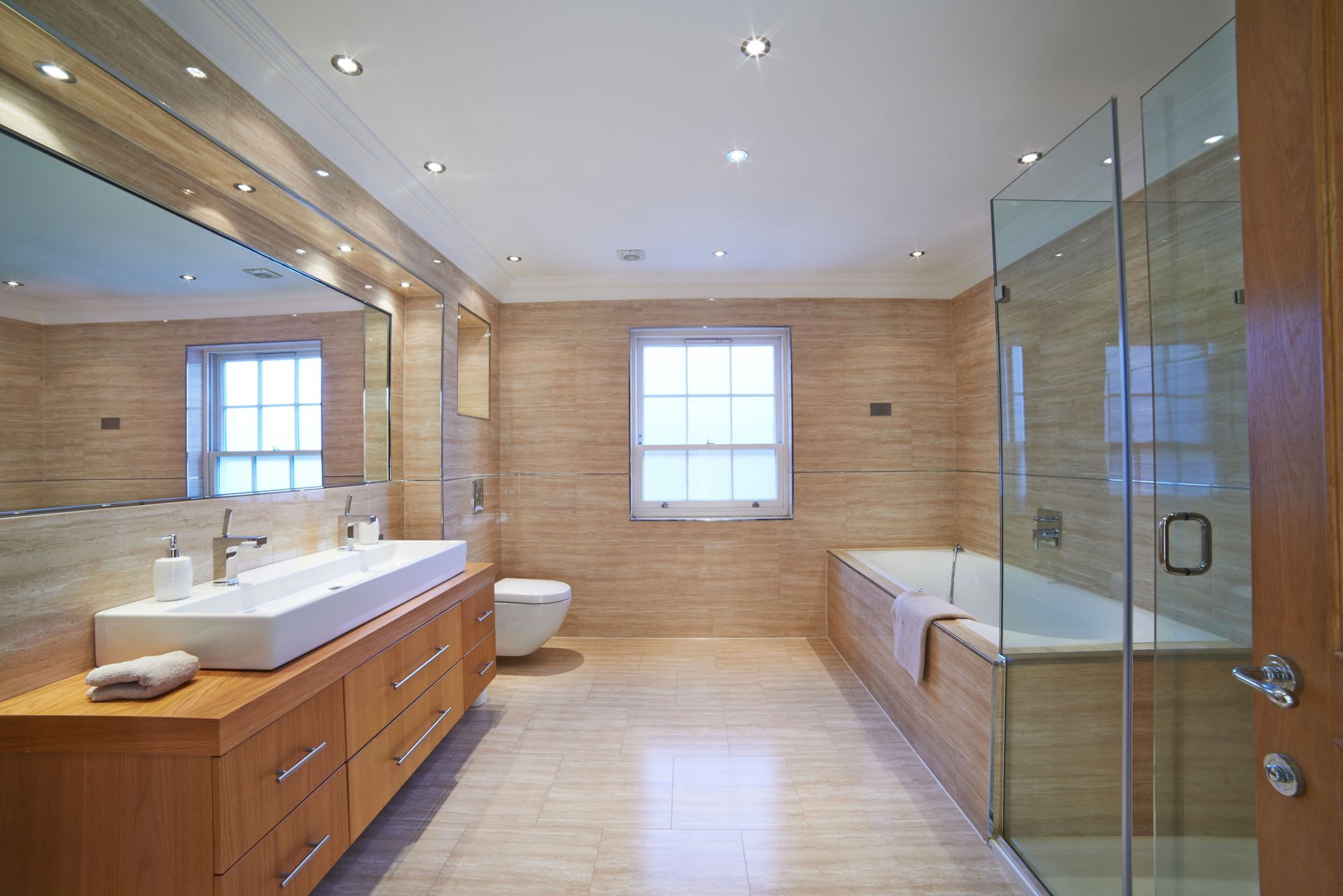
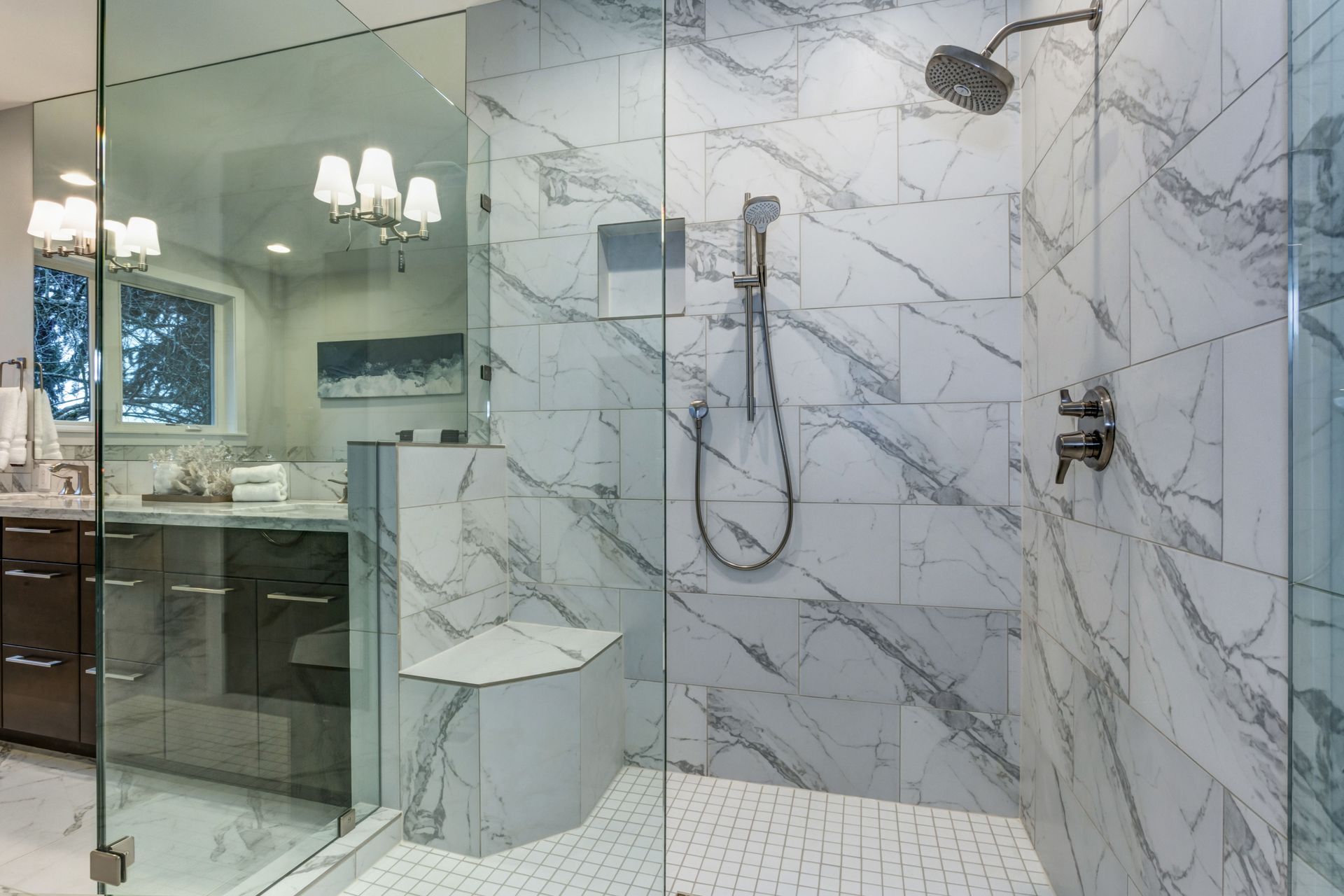
Bathrooms are one of the most common places where glass can influence both appearance and everyday functionality. Shower enclosures can create a more open look compared with opaque barriers or bulky alternatives. The configuration can be selected based on the available space and the desired level of accessibility. Custom glass services can help accommodate bathrooms with layouts that do not fit standard enclosure sizes. Frameless or semi-frameless designs may also reduce visual interruptions and allow decorative tile or other features to remain visible. Different hardware and finishes can be selected to coordinate with faucets, lighting, and other fixtures. Glass can also be incorporated into mirrors and other bathroom features to support a cohesive design. The result is a space that combines practical use with a more intentional appearance.
Enhancing the Look of Living Areas
Living rooms, dining rooms, and other shared spaces can benefit from glass features that add visual interest without creating unnecessary heaviness. A custom tabletop, shelving feature, mirror, or decorative panel can complement the existing furniture and architectural details. Because glass is available in different thicknesses, finishes, and styles, it can be adapted to suit the character of the room. A clear surface may create a lighter appearance, while textured or decorative glass can introduce additional personality. The placement of these features can also influence how the room feels from different angles. Mirrors, for example, can reflect architectural details or help brighten areas that receive limited light. A carefully selected piece can become part of the overall design rather than appearing as an afterthought. Glass provides designers and homeowners with another material for balancing function and visual appeal.
Defining Spaces Without Closing Them Off
Open-concept interiors offer flexibility, but they can sometimes make it difficult to define where one area ends and another begins. Glass partitions and interior features can help establish boundaries while preserving visual openness. This can be useful between work areas, living spaces, dining rooms, or other sections of a larger interior. Instead of building a solid wall, a glass feature can separate activities without making the overall layout feel smaller. Custom glass services allow these elements to be designed around the exact dimensions and needs of the property. Different finishes can also provide varying levels of privacy depending on the intended use of the space. Frosted or textured options may be appropriate when visibility needs to be limited while light transmission remains important. This flexibility makes glass a useful option for interiors that need both definition and openness.
Adding Depth With Decorative Mirrors
Mirrors can do much more than provide a reflection. Their placement can influence how large, bright, and balanced an interior appears. A strategically positioned mirror may reflect natural light or draw attention to an architectural feature on the opposite side of the room. Larger mirrors can create a sense of depth, particularly in narrower spaces such as hallways or smaller rooms. The shape and edge treatment can also contribute to the overall style. A custom design allows the mirror to fit a specific wall, piece of furniture, or decorative concept. This can create a more intentional appearance than selecting a standard size that does not fully complement the space. Whether used as a subtle accent or a prominent focal point, mirrors can add another layer to the overall design.
Complementing Unique Architectural Features
Not every interior is built around standard dimensions. Angled ceilings, unusual wall shapes, alcoves, and other architectural details can make it difficult to find ready-made materials that fit properly. Glass can be fabricated to accommodate many of these design challenges. Custom glass services can be especially valuable when a project requires a specific shape or size to work with the existing architecture. A tailored feature can follow the lines of the space and create a more finished appearance. This approach may also allow homeowners to make better use of areas that would otherwise be difficult to furnish or decorate. Glass railings, partitions, mirrors, and other features can be incorporated into the overall design. Working with the existing architecture rather than against it can create a more cohesive interior.
Balancing Privacy and Openness
Glass does not always have to be completely transparent. Different treatments and finishes can provide varying levels of visibility while still allowing light to pass through. Frosted, patterned, tinted, or textured options can help create privacy in bathrooms, offices, bedrooms, and other areas. The right choice depends on how the space will be used and how much visibility is desired. A glass feature can separate two areas while maintaining a connection between them through light and form. Custom glass services make it possible to consider these practical requirements alongside the visual design.
Different types of glass can be selected based on the privacy requirements of each space. This approach can help businesses create organized work areas while maintaining a connected environment. The finished design can also be coordinated with flooring, furniture, lighting, and other interior features. Ready to transform your space with beautifully designed custom glass services? Contact Mirage Glass & Mirror Inc today to discuss your project and discover how the right glass features can enhance your interior design.
Share On: